 Save to Pinterest
 There was a Tuesday in November when my farmer's market bag felt unusually heavy, stuffed with squash that seemed to glow from the inside out. I'd bought far more than I needed, honestly, but the vendor's enthusiasm was contagious. That evening, standing in my kitchen with golden cubes of butternut and sweet potato scattered across a baking tray, I realized this wasn't going to be just another roasted vegetable situation. The idea came naturally: what if I built everything around something creamy and substantial, something that would make the whole plate feel like a proper meal? This salad became exactly that.
I made this for four friends on a Sunday afternoon when the weather had finally turned properly cold, and watching them instinctively reach for seconds told me something important about food. One of them—the friend who always orders salad and then picks at it—actually cleaned her plate and asked for the hummus recipe. That moment, more than any compliment, made me understand why this dish stuck with me.
Ingredients
- Butternut squash: One medium squash gives you that beautiful golden color and natural sweetness that deepens when roasted; peeling it raw is honestly easier than fighting with it after cooking.
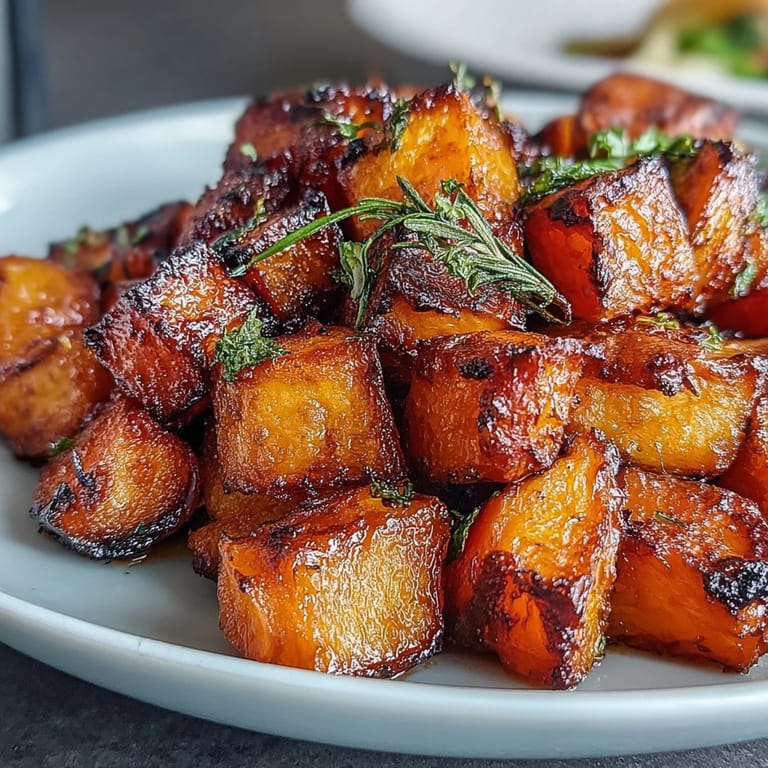
- Sweet potatoes: Two medium ones cut into cubes the same size as your squash ensures everything cooks at the same pace and caramelizes evenly.
- Red bell peppers: Sliced rather than cubed, they add brightness and stay slightly firm, which creates textural contrast against the softer roasted roots.
- Olive oil: Two tablespoons for roasting keeps things simple; the extra-virgin goes into the hummus where its flavor actually matters.
- Butter beans: One drained can is your creamy base; they're milder than chickpeas and blend into something almost silken.
- Tahini: Two tablespoons of good quality tahini—this is where sesame flavor becomes the backbone of everything, so don't skip quality here.
- Lemon juice: Fresh squeezed if you can manage it; it keeps the hummus from tasting flat and adds brightness that cuts through richness.
- Garlic: Just one clove, crushed rather than minced, prevents the hummus from turning sharp or overwhelming.
- Cumin: Half a teaspoon of ground cumin is your secret—it echoes in the background and makes people ask what that warm note is.
- Mixed seeds: Three tablespoons toasted creates the crunch moment that makes every bite interesting; pumpkin, sunflower, and sesame together is unbeatable.
- Fresh parsley: Chopped parsley at the end is essential—it's not decoration, it's freshness that wakes everything up.
Tired of Takeout? 🥡
Get 10 meals you can make faster than delivery arrives. Seriously.
One email. No spam. Unsubscribe anytime.
Instructions
- Get your oven ready and prep the vegetables:
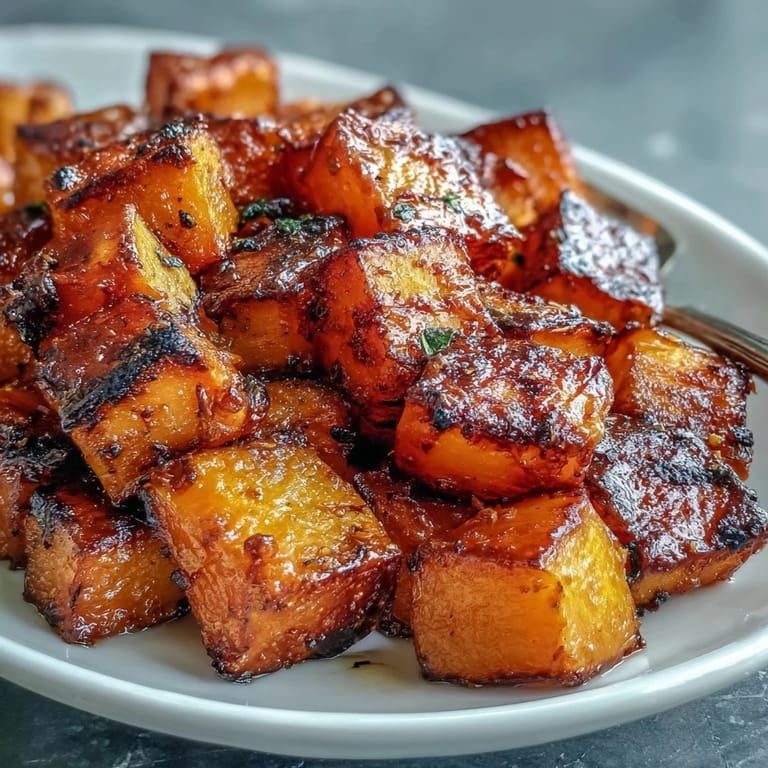
- Preheat to 200°C (400°F) while you peel and cut your squash and sweet potatoes into roughly same-sized cubes—this small attention makes the difference between some pieces turning to mush and others staying firm. Slice your bell peppers into wide strips rather than tiny pieces; they'll caramelize beautifully at the edges and stay structured enough to stand on your plate.
- Season and roast with purpose:
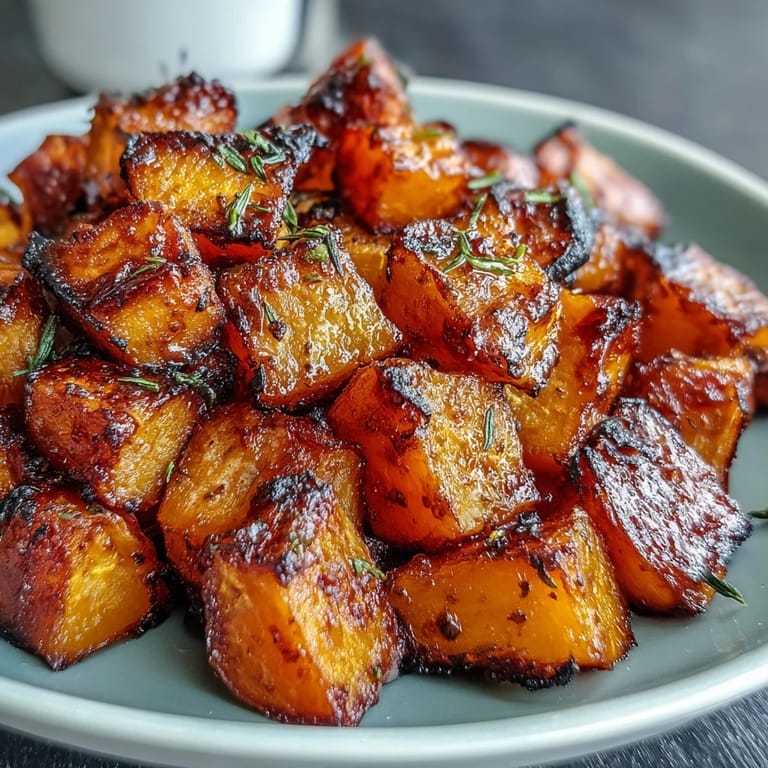
- Toss everything on your baking tray with olive oil and salt and pepper, making sure each piece gets a light coating so it browns rather than steams. Roast for 30 to 35 minutes, turning things over halfway through—you're looking for golden edges and tender interiors, which usually takes about 35 minutes total.
- Make the hummus while vegetables roast:
- In a food processor, combine your drained butter beans, tahini, lemon juice, crushed garlic, three tablespoons of extra-virgin olive oil, cumin, salt, and pepper. Blend until smooth, adding water a tablespoon at a time until you reach something that spreads easily but still feels substantial, not soupy.
- Toast your seeds for texture:
- In a dry skillet over medium heat, toast your mixed seeds for about two to three minutes, stirring occasionally, until they smell nutty and toasted and start to pop slightly. The moment they smell amazing, transfer them to a plate so they don't burn while you're finishing everything else.
- Plate it with intention:
- Spread a generous layer of butter bean hummus on each plate as your base, creating a canvas rather than just a small dollop. Top with your warm roasted vegetables, scatter the toasted seeds generously, add a handful of fresh parsley, and if you're feeling it, dust with smoked paprika for color and a hint of smoke.
 Save to Pinterest
 The best part of cooking this salad is that moment when the kitchen smells like toasted seeds and caramelized squash, and you know you're about to serve something that people will actually want to eat. It's the kind of meal that reminds you why cooking for others matters.
Scaling and Serving
This recipe serves four as a proper main course, but doubling it for eight people barely requires any extra effort since you're just spreading everything across another baking tray. If you're making just for yourself, the hummus keeps in the fridge for nearly a week, and the roasted vegetables can be reheated gently in the oven or eaten cold straight from the container on your busiest days.
Variations That Actually Work
I've swapped the butter beans for chickpeas when that's what I had on hand, and honestly, both are excellent—butter beans are creamier, chickpeas add a slightly nuttier flavor. Roasted red onions mixed into the vegetables add a caramelized sweetness, and if you're feeling adventurous, a generous pinch of cayenne in the hummus brings subtle heat that doesn't overpower. The smoked paprika on top is optional until you try it once and realize it's become essential.
Pairing and Storage
This salad pairs beautifully with crisp white wine—Sauvignon Blanc or Pinot Grigio both work—or simply with crusty bread for soaking up the hummus. The whole plate actually improves slightly if you let it sit for ten minutes after assembling, which allows flavors to mingle and the hummus to come to room temperature slightly, making it taste even more substantial.
- Store leftover hummus in an airtight container in the refrigerator for up to five days, covering it with a thin layer of olive oil to prevent browning.
- Roasted vegetables keep for three days and can be eaten cold straight from the fridge or gently warmed before serving.
- Toast your seeds fresh each time rather than storing them mixed with the vegetables, as they lose their crunch faster than you'd expect.
 Save to Pinterest
 This salad became a regular on my table because it asks very little but delivers everything—nutrition, flavor, texture, and the kind of satisfaction that lingers past dinner. Make it once and you'll understand why.
Questions & Answers About This Recipe
- → Can I prepare the vegetables ahead of time?
Yes, you can cube the squash and sweet potatoes up to a day in advance. Store them in an airtight container in the refrigerator until ready to roast. The hummus can also be made 2-3 days ahead and kept chilled.
- → What other vegetables work well in this dish?
Roasted carrots, parsnips, or red onions make excellent additions. You can also include Brussels sprouts or beetroot for different flavor profiles and colors.
- → Can I use chickpeas instead of butter beans?
Absolutely. Chickpeas create a slightly denser hummus with a nuttier flavor profile. Adjust the water quantity as needed to achieve your desired creamy consistency.
- → How do I store leftovers?
Keep components separate in airtight containers. Roasted vegetables last 3-4 days refrigerated, while the hummus stays fresh for up to a week. Reheat vegetables gently before assembling.
- → What protein additions complement this bowl?
Grilled halloumi, pan-seared tofu, or roasted chickpeas work wonderfully. For non-vegetarians, leftover roasted chicken or lamb make excellent protein pairings.
- → Is this suitable for meal prep?
Yes, this dish is perfect for meal prep. Roast a large batch of vegetables and make extra hummus. Portion into containers for quick, nourishing lunches throughout the week.