 Save to Pinterest
 My neighbor stopped by on an ordinary Tuesday afternoon with a box of edible pansies from her garden, and suddenly I was obsessed with making a cake worthy of them. The idea of lemon frosting paired with those delicate flowers felt like spring itself deserved a proper celebration, so I started experimenting with a tender vanilla sponge that wouldn't compete with the brightness of fresh citrus. What began as a small kitchen project became the cake I now reach for whenever something feels worth marking.
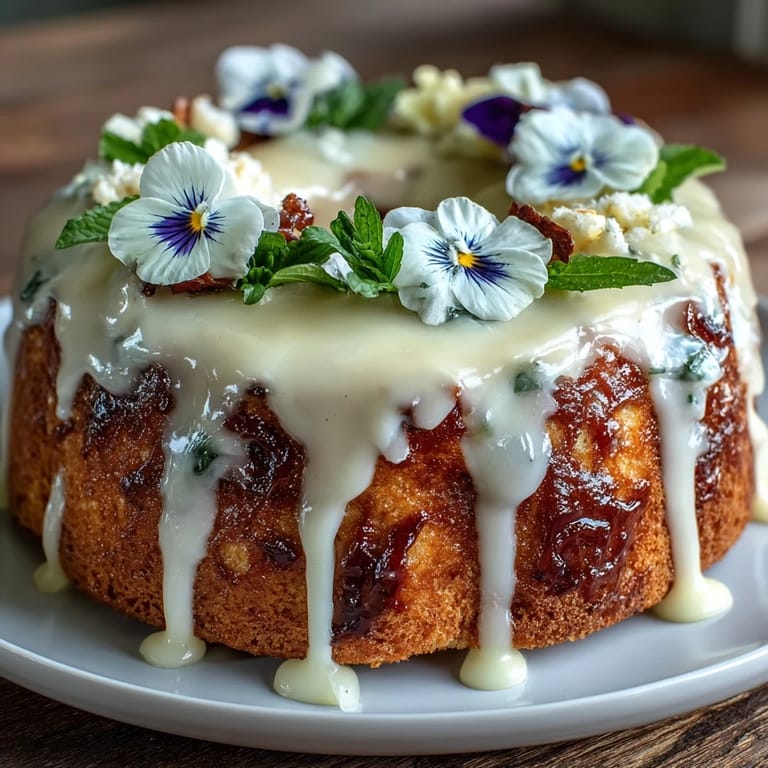
I made this for a bridal shower last April, and watching people's faces when they saw those fresh violets cascading down the side felt like I'd done something genuinely special. One guest asked if I'd trained as a pastry chef, and I had to laugh because the truth was far simpler: good ingredients, a patient hand with the drip, and flowers that did half the decorating work themselves.
Ingredients
- All-purpose flour: Use the kind you know behaves well; I've learned that different brands can shift how much liquid your batter absorbs, so weigh it if you can.
- Unsalted butter: Softened to room temperature means it creams properly with sugar and creates that light, fluffy crumb you're after.
- Granulated sugar: This is what aerates the batter when beaten with butter, so don't rush that creaming step even though it feels tedious.
- Large eggs at room temperature: Cold eggs won't incorporate smoothly, which changes the cake's texture more than you'd think.
- Fresh lemon juice and zest: Bottled juice tastes metallic compared to fresh, and the zest is where the real flavor punch lives.
- White chocolate chips: Chopping them finely helps them melt more evenly when you pour hot cream over them.
- Heavy cream: The ratio of cream to chocolate matters; too much and your drip stays thin, too little and it won't pour at all.
- Edible flowers: Buy from a specialty grocer or grow your own; farmers market flowers are often sprayed, so verify they're food-safe before you commit.
Tired of Takeout? 🥡
Get 10 meals you can make faster than delivery arrives. Seriously.
One email. No spam. Unsubscribe anytime.
Instructions
- Prepare your pans and preheat:
- Line three 8-inch round pans with parchment circles cut to fit the bottom; this tiny step saves you from cake disasters. Get your oven to 350°F (175°C) while you gather everything else so nothing sits waiting.
- Mix the dry ingredients:
- Whisk flour, baking powder, and salt in a medium bowl until they're evenly combined. This distributes the leavening so you don't get dense patches in your finished cake.
- Cream butter and sugar:
- Beat them together for a full 3 to 4 minutes until the mixture looks pale and fluffy, almost like frosting itself. You'll know it's ready when a spoon pulled through leaves a brief trail that doesn't immediately fill back in.
- Incorporate eggs and vanilla:
- Add eggs one at a time, beating well after each so they fully emulsify into the butter mixture. This keeps your cake from becoming greasy or dense despite all the fat you're adding.
- Alternate wet and dry:
- Start with flour, then milk, then flour again, mixing just until each addition disappears. Over-mixing develops gluten and makes cake tough, so stop as soon as you don't see streaks of flour anymore.
- Bake the layers:
- Divide batter evenly among the three pans and bake for 25 to 30 minutes until a toothpick comes out clean. The smell that fills your kitchen is pure promise, but don't open the oven door before the 25-minute mark or you'll deflate all your hard work.
- Cool properly:
- Let cakes rest in the pans for 10 minutes so they set enough to turn out without cracking, then flip them onto wire racks to cool completely. Frosting warm cake melts everywhere, so patience here saves frustration later.
- Make the lemon frosting:
- Beat softened butter until it's creamy, then gradually add sifted powdered sugar to avoid lumps that'll ruin your smooth finish. Finish with lemon juice, zest, and just enough milk to reach a consistency that spreads easily but holds its shape.
- Stack and frost the cake:
- Level your cooled cake layers if they domed slightly, then place the first layer on your serving plate and spread frosting generously. Continue with the second layer, then cover the whole thing with a thin crumb coat, chill for 15 minutes, then apply your final frosting layer for a polished look.
- Make the white chocolate drip:
- Heat cream until it just starts to steam, pour it over chopped white chocolate, and let it sit undisturbed for 2 minutes before stirring. The residual heat melts the chocolate into silky ganache, and if you stir immediately you'll get lumps.
- Apply the drip:
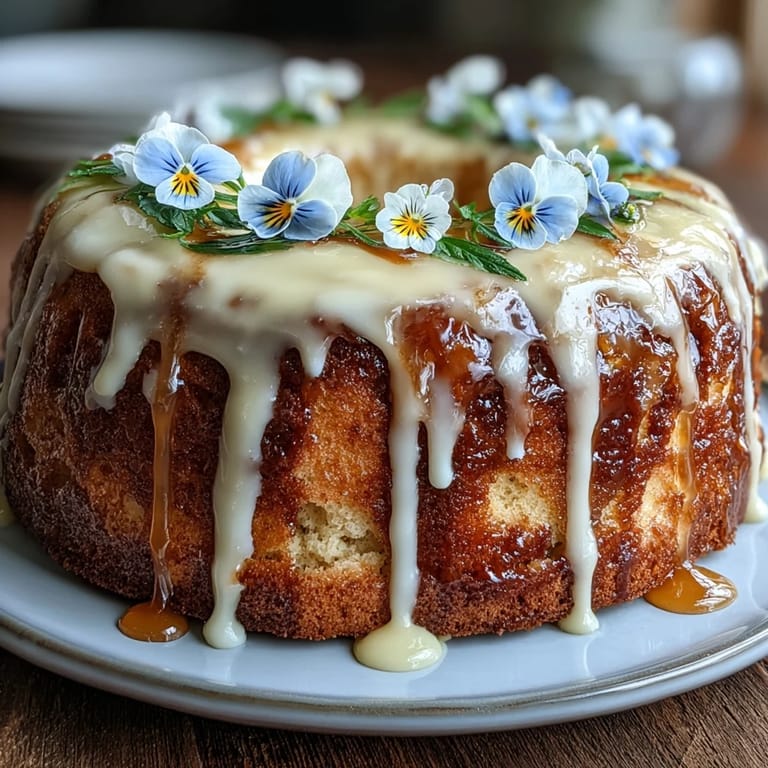
- Once your ganache cools until it's thickened but still pourable (test a spoon), use either a small spoon or squeeze bottle to let it cascade down the cake's edge naturally. The best drips look intentional but relaxed, not perfectly uniform.
- Finish with flowers:
- Arrange edible flowers on top and scatter any other decorations while the white chocolate is still soft enough to hold them in place. This is where the cake transforms from homemade into something that looks like it came from a serious pastry kitchen.
 Save to Pinterest
 There's something about watching someone's expression shift when they realize those flowers are actually edible that reminds me why I love making this cake. It's not just dessert; it's a small moment of delight wrapped in buttercream and spring.
The Science of Tender Layers
The secret to keeping each layer impossibly soft comes down to not overworking your batter once flour enters the picture. I learned this by comparing a batch I made while distracted (over-mixed, dense, sad) with one I made while actually paying attention, and the difference was night-and-day obvious. The moment you stop seeing white streaks is the exact moment you stop mixing; trust that instinct more than you trust your desire to ensure everything is perfectly combined.
Lemon Frosting That Tastes Like Sunshine
Getting the frosting texture right is less about exact measurements and more about understanding what you're looking for: it should be thick enough to hold peaks but soft enough to spread without tearing the cake. I've made this frosting dozens of times now, and I always taste it before declaring it done, adjusting tartness with a squeeze more lemon juice or sweetness with a dusting more powdered sugar. The fresh zest matters more than you'd think; it adds tiny bursts of intense flavor that make people wonder why this frosting tastes so much better than regular buttercream.
Floral Decorating and Food Safety
This is the moment where your cake becomes genuinely show-stopping, but only if you're confident about what's actually safe to eat. I keep a short list of edible flowers I trust: violets, pansies, nasturtiums, rose petals from roses I've grown myself or sourced from specialty florists who guarantee no pesticides. Before you ever place a flower on a cake you're serving to people, verify it came from a clean source and that you know exactly what it is—common garden flowers can look identical to their poisonous cousins, which is not a risk worth taking for looks.
- Buy edible flowers from specialty grocers, farmers markets with clear sourcing, or grow them yourself without chemicals.
- Research each variety before using it; when in doubt, skip the flower rather than guess.
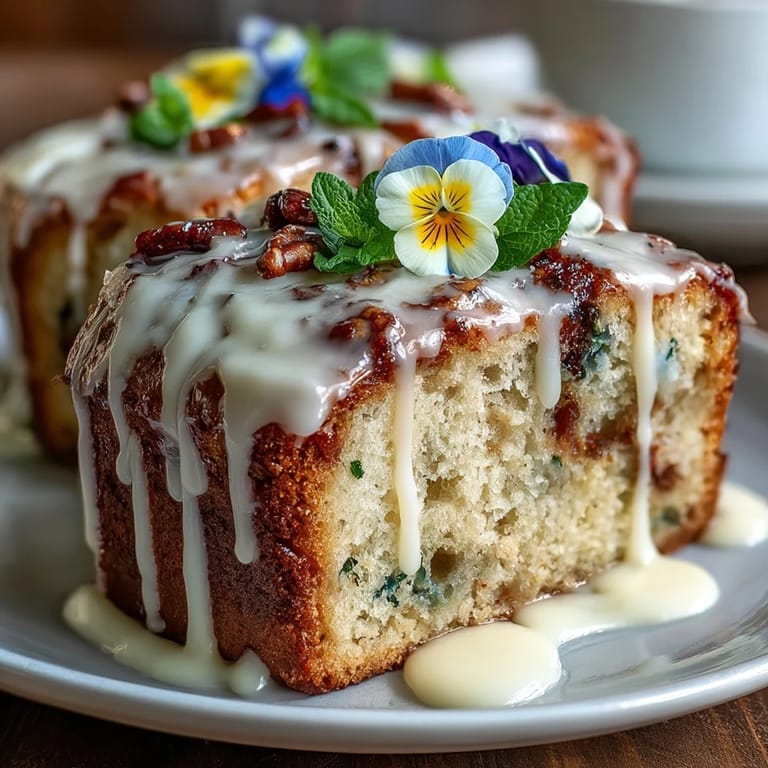
- Arrange flowers while the white chocolate is still slightly tacky so they stick exactly where you position them.
 Save to Pinterest
 This cake has become my go-to for moments when ordinary celebration deserves something genuinely pretty, and I love that it looks far more complicated than it actually is. Bake it once and you'll understand why it's the cake you reach for again and again.
Questions & Answers About This Recipe
- → How do I ensure the white chocolate drip is smooth?
Warm the heavy cream until just simmering, then pour over chopped white chocolate. Let sit for 2 minutes before stirring gently until smooth and pourable.
- → What flowers are safe for decorating this cake?
Use pesticide-free edible flowers such as violets, pansies, or rose petals to ensure safe consumption and vibrant decoration.
- → Can this cake be made gluten-free?
Yes, substitute the all-purpose flour with a 1:1 gluten-free flour blend, adjusting baking time as needed for best results.
- → How long does it take to prepare and bake the cake layers?
Preparation takes about 45 minutes, and baking the vanilla sponge layers requires 25–30 minutes in a 350°F (175°C) oven.
- → What is the best way to store this cake?
Store the cake in the refrigerator for up to 3 days. Bring to room temperature before serving for optimal texture and flavor.
- → Can I add color to the white chocolate drip?
Yes, gel food coloring can be mixed into the drip to create pastel shades, enhancing the cake's visual appeal.