 Save to Pinterest
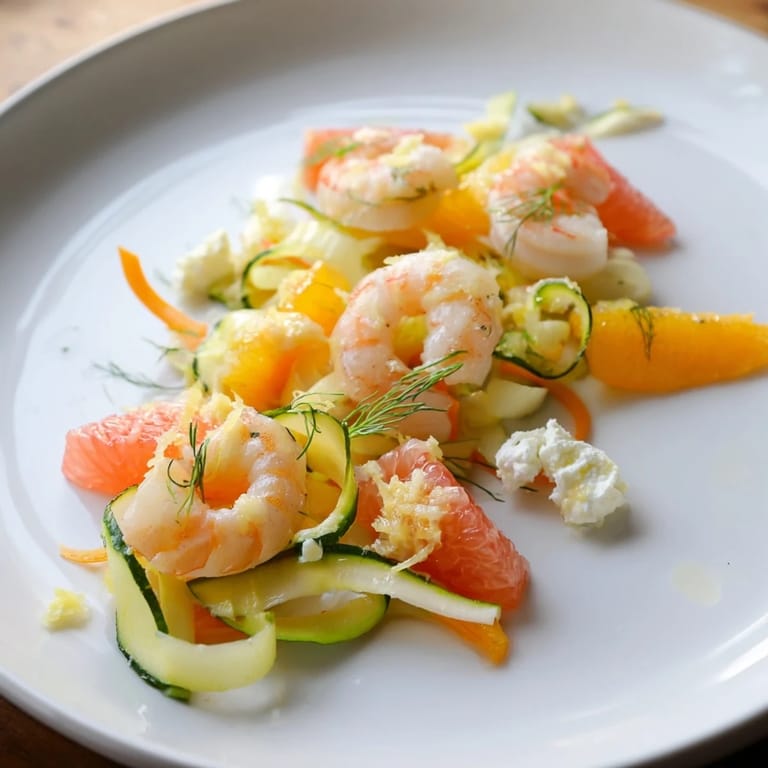
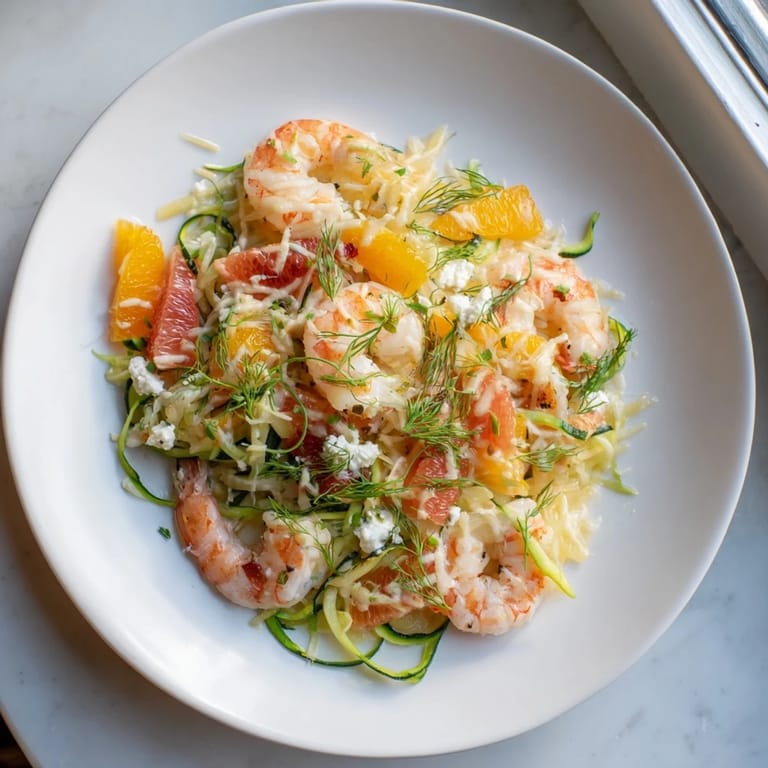
 I built this dish around a moment in my kitchen when afternoon light was hitting a bowl of citrus fruits just right, making them glow like little lanterns. There was shrimp in the fridge that needed using, and I started playing with the idea of something bright and alive on the plate—something that looked like it belonged in the ocean rather than on a table. The result was this coral reef, where every color and texture does something different, and the cheese melts into warm pockets between the vegetables and seafood. It's become my go-to when I want to feel like I'm feeding people something special without spending hours in the kitchen.
A few months back I made this for friends who were skeptical about seafood-and-cheese combinations, and watching their expressions shift as they took the first bite—when the warm Gruyère mixed with cold citrus segments—was honestly better than any compliment I could have gotten. The platter looked like something from an art book, but it tasted like comfort and adventure at the same time.
Ingredients
- Large pink shrimp, peeled and deveined (500 g / 1.1 lb): Use the biggest ones you can find because they stay tender and look gorgeous on the plate, and deveining is worth the five extra minutes it takes.
- Medium oranges, segmented with 1 tsp zest (2): The zest carries flavor through the whole dish, so don't skip it, and segmenting by hand gives you cleaner pieces than squeezing.
- Small pink grapefruit, segmented (1): This is what gives the dish its slightly tart edge and that gorgeous color contrast.
- Lemon juice (1 lemon): Fresh lemon brightens everything and keeps the shrimp tasting clean.
- Gruyère cheese, grated (120 g / 4 oz): It melts beautifully under the broiler and has enough depth that it doesn't disappear next to the strong citrus flavors.
- Ricotta cheese (50 g / 1.7 oz): Dollops of this create creamy pockets that balance the brightness and texture of everything else.
- Small zucchini, thinly sliced into ribbons (1): A mandoline makes this almost effortless, and thin ribbons cook in seconds so they stay tender without getting mushy.
- Small carrot, julienned (1): The sweetness of carrot plays beautifully against citrus, and those thin strips add a delicate visual element.
- Fresh chives, finely chopped (1 tbsp): Chives add an onion whisper that nobody quite expects but everyone notices.
- Fresh dill, torn (1 tbsp): Torn rather than chopped because it looks more intentional and the flavor is less intense.
- Olive oil (2 tbsp): Use good oil because you taste it, and keep a little back for drizzling at the end when it's most visible.
- Salt and freshly ground black pepper, to taste: Season the shrimp early so the flavor goes in, not just on the surface.
Tired of Takeout? 🥡
Get 10 meals you can make faster than delivery arrives. Seriously.
One email. No spam. Unsubscribe anytime.
Instructions
- Heat your broiler and prepare the shrimp:
- Get your oven ready first so you're not waiting at the end. Toss the shrimp with 1 tablespoon olive oil, lemon juice, and a good pinch of salt and pepper in a bowl, letting it sit for just a minute so the flavors start to stick.
- Sear the shrimp quickly:
- Heat your skillet over medium-high heat until it's hot enough that a drop of water skitters across it. Sauté the shrimp for exactly 2 minutes per side—they should be just cooked through with a slight firmness when you press them. Set aside on a clean plate.
- Wake up the citrus:
- In a separate bowl, gently toss your orange and grapefruit segments with the zest and a pinch of salt, mixing just enough to combine without bruising the fruit.
- Steam the vegetables soft:
- Put your zucchini ribbons and carrot strips into a steamer (or a microwave-safe bowl with a splash of water, covered with a plate) for 1–2 minutes until they're tender but still have a slight snap. This keeps them from turning into mush under the broiler.
- Build the reef on your platter:
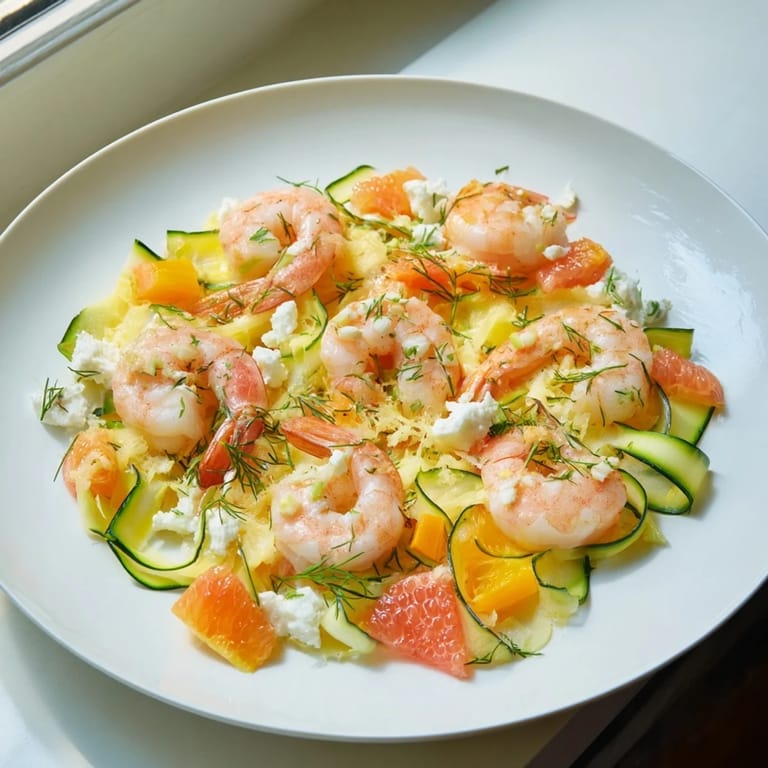
- Spread the warm steamed vegetables across an oven-safe serving platter, creating a colorful base. Nestle the cooled shrimp and citrus segments among the vegetables in a way that feels natural and artistic, not too uniform.
- Add the cheese and broil:
- Sprinkle the grated Gruyère evenly over the whole arrangement, then dot it with small spoonfuls of ricotta so you get pockets of creamy richness. Slide it under the hot broiler for 2–3 minutes, watching closely so the cheese bubbles and gets golden but doesn't turn dark brown.
- Finish and serve:
- Pull it out of the oven, scatter the chives and dill across the top, drizzle with the remaining olive oil, and serve immediately while the cheese is still warm and the vegetables are still a little steamy.
 Save to Pinterest
 The first time I made this and watched the cheese bubble and brown while the steam rose off the warm vegetables, I remembered why I actually love cooking—it's those moments when something ordinary turns into something people want to remember. This dish does that without asking you to spend your whole evening in the kitchen.
Why This Matters: The Ocean on a Plate
There's something about arranging food so it looks beautiful that changes how it tastes, at least in your mind. When shrimp and citrus are just thrown together in a bowl, they're lunch. When they're layered and colored and intentional, they become a story you're telling your guests about texture and flavor and what you think matters. This dish works because every element has a reason to be there—the cold citrus against warm cheese, the sweetness of carrot next to the brine of shrimp, the soft vegetables holding everything together like sand.
Substitutions That Work
Gruyère is wonderful, but you can swap it for Emmental if that's what you have, or even a young mozzarella that bubbles nicely. Pink grapefruit is beautiful and slightly tart, but regular grapefruit works just as well, as does blood orange if you want deeper color. If ricotta isn't in your kitchen, use crème fraîche or even a dollop of good sour cream mixed with a tiny bit of honey—the point is that creamy element breaking up the other flavors. Don't be afraid to add pomegranate seeds or thin slices of watermelon radish if you see them at the market; those pops of color and crunch change how the dish feels.
Pairing and Serving
I serve this as a main dish for four people, but it's also beautiful as a plated appetizer if you're feeding more. A crisp Sauvignon Blanc or dry rosé is what I reach for because the wine needs to cut through the richness of the cheese without competing with the citrus—anything too heavy will overshadow the delicate balance. Serve it immediately while the cheese is warm and the vegetables still have that just-steamed warmth.
- If you're making this ahead, prepare everything but the shrimp and cheese until just before serving, then cook and broil as directed.
- For a party, you can make multiple smaller platters using the same proportions, and broil them in batches so nothing gets cold.
- This is naturally gluten-free if your cheese is, but always double-check labels if anyone at your table is sensitive to cross-contamination.
 Save to Pinterest
 This is the kind of dish that reminds you why you cook in the first place—it's simple enough to not stress you out, but beautiful and delicious enough that everyone around the table feels a little bit special. Make it.
Questions & Answers About This Recipe
- → How do I prevent the shrimp from overcooking?
Sauté shrimp quickly over medium-high heat for 2 minutes per side until just opaque to keep them tender and juicy.
- → Can I substitute Gruyère cheese?
Emmental or bubbly mozzarella make excellent alternatives, providing a similar melt and mild flavor.
- → What is the best way to prepare the vegetables?
Steam zucchini ribbons and carrot juliennes briefly, about 1–2 minutes, to maintain slight tenderness and vibrant color.
- → How can I enhance the color of the dish?
Adding thin watermelon radish slices or pomegranate seeds adds extra visual appeal and a pop of flavor.
- → What drinks pair well with this dish?
Crisp Sauvignon Blanc or a dry rosé complement the bright citrus and seafood notes perfectly.