 Save to Pinterest
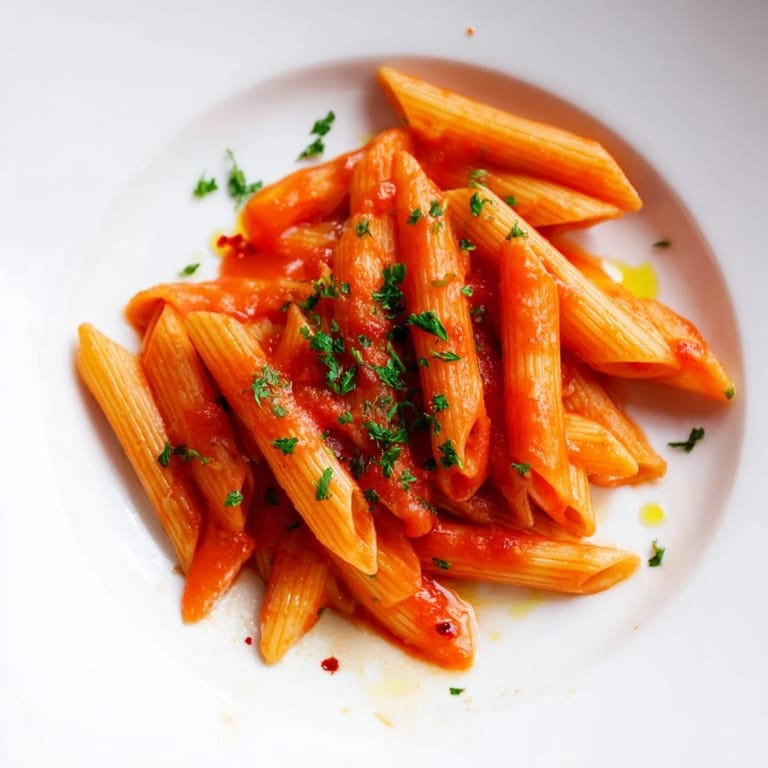
 There's something about the Roman summers that made me fall in love with penne all'arrabbiata. I was staying in a tiny apartment near Campo de' Fiori, and on nights when the heat wouldn't break, my neighbor would cook this dish with her windows wide open—the smell of garlic and chili drifting across the courtyard made the whole building pause. She taught me that the best version is almost defiantly simple: just pasta, tomatoes, garlic, and heat, nothing else needed.
I made this for my roommate on a Tuesday night when she came home absolutely exhausted from work, and she literally sat down and didn't speak for five minutes—just ate. That quiet, focused eating said everything about whether the dish worked or not. Now whenever she's had a rough day, this is what she asks for.
Ingredients
- Penne rigate (400g): The ridges catch the sauce like little hands, so don't swap for smooth pasta unless you want to lose half the flavor with every bite.
- Extra virgin olive oil (3 tbsp): This is where quality actually matters—cheap oil tastes thin and bitter, while good oil becomes sweet and peppery when you heat it gently.
- Garlic cloves (4 large, thinly sliced): Slicing instead of mincing gives you these little golden chips that soften but stay distinct, nothing mushy or bitter.
- Red chili flakes (1–2 tsp): Start with one and taste as you go; the heat intensifies as the sauce simmers, and you can always add more but can't take it out.
- Whole peeled tomatoes (800g): Canned San Marzano if you can find them, and yes, you'll crush them by hand—it's meditative and you control the texture better than any tool.
- Sea salt (1 tsp) and black pepper (1/2 tsp): These aren't afterthoughts; they're what make every element pop and balance the heat.
- Fresh flat-leaf parsley (2 tbsp, chopped): It looks like a garnish but acts like a palate cleanser, cutting through the richness with its fresh, grassy bite.
Tired of Takeout? 🥡
Get 10 meals you can make faster than delivery arrives. Seriously.
One email. No spam. Unsubscribe anytime.
Instructions
- Start your water and pasta:
- Get a large pot of salted water boiling while you prep everything else. When the water is roiling, add your penne and stir it immediately so nothing sticks. While it cooks, be ready with a measuring cup to catch 1/2 cup of that starchy water before you drain.
- Coax out the garlic and chili:
- Pour your olive oil into a large skillet over medium heat and let it warm for a moment—you'll see it shimmering. Add your sliced garlic and chili flakes together, and listen for the gentle sizzle and smell the garlic turning fragrant. This takes about one minute, and you're watching for golden edges, not brown, so don't wander away.
- Build the sauce:
- Pour in your crushed tomatoes, salt, and pepper, and give everything a stir. Let it simmer uncovered, stirring now and then, until it thickens slightly and the raw tomato taste mellows into something sweet and deep, about 12–15 minutes.
- Marry the pasta and sauce:
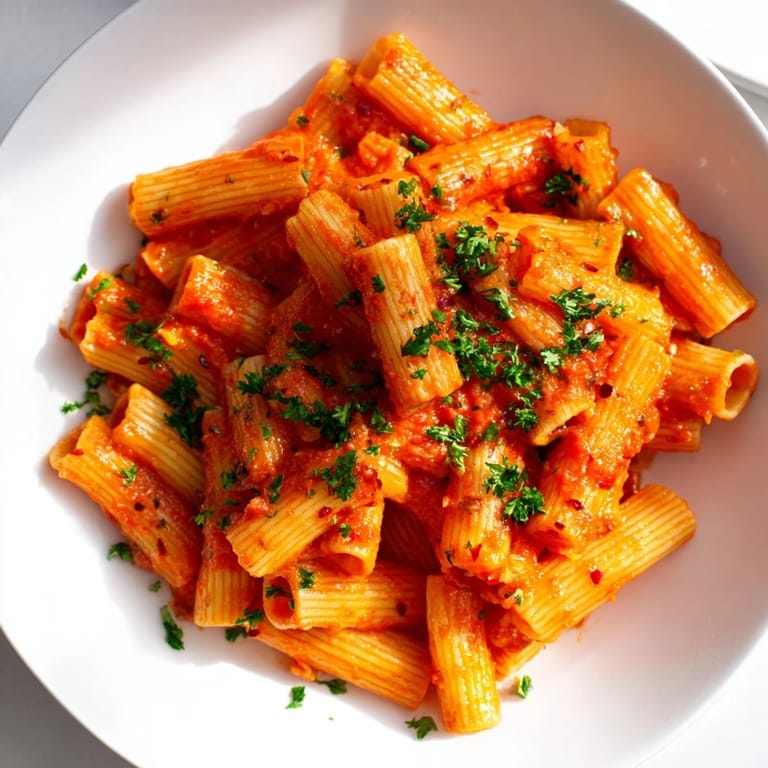
- Drain your cooked penne and tip it into the skillet with the sauce. Toss it all together gently but thoroughly, and if the sauce seems too thick or clingy, splash in some of that reserved pasta water a little at a time until it coats the pasta like a glossy coat.
- Finish and serve:
- Take the pan off the heat, stir in your chopped parsley, and drizzle a little more olive oil over the top. Serve it right away while it's still steaming, and taste it first—this way you know if you want more heat or more salt.
 Save to Pinterest
 The first time I understood this dish wasn't about technique but about respect—respect for tomatoes that have lived in a can for months and come alive again, respect for garlic that you're not trying to hide but to celebrate. It stopped feeling like cooking and started feeling like conversation.
The Heat Question
Arrabbiata means angry in Italian, and the heat is the whole point, but it's not about making your mouth burn numb. It's about that warm tingle that builds and makes you want another bite, then another. Start with one teaspoon of chili flakes, taste the sauce halfway through simmering, and add more only if you want it fiercer. The longer the sauce cooks, the more the heat spreads, so what feels timid at ten minutes might be perfect at fifteen.
Why Cheese Doesn't Belong Here
In Rome, adding Parmesan to this dish would be almost insulting—it's like saying the tomatoes and garlic aren't enough, when they absolutely are. The olive oil carries flavors better than cheese ever could, and it keeps things bright instead of heavy. That said, I'm not going to stop you if you want to break the rules; just know you're gilding something that's already perfect.
The Pasta Water Secret
That starchy water you reserved does something magical—it helps the oil and tomato sauce emulsify into something silky rather than separated and slick. It's the difference between pasta that's coated and pasta that's swimming.
- Add pasta water gradually, stirring between splashes, so you don't oversaturate and end up with sauce soup.
- If you finish and realize your sauce is too thick, a quick splash of hot water works in a pinch.
- This trick works for almost any pasta sauce, so remember it.
 Save to Pinterest
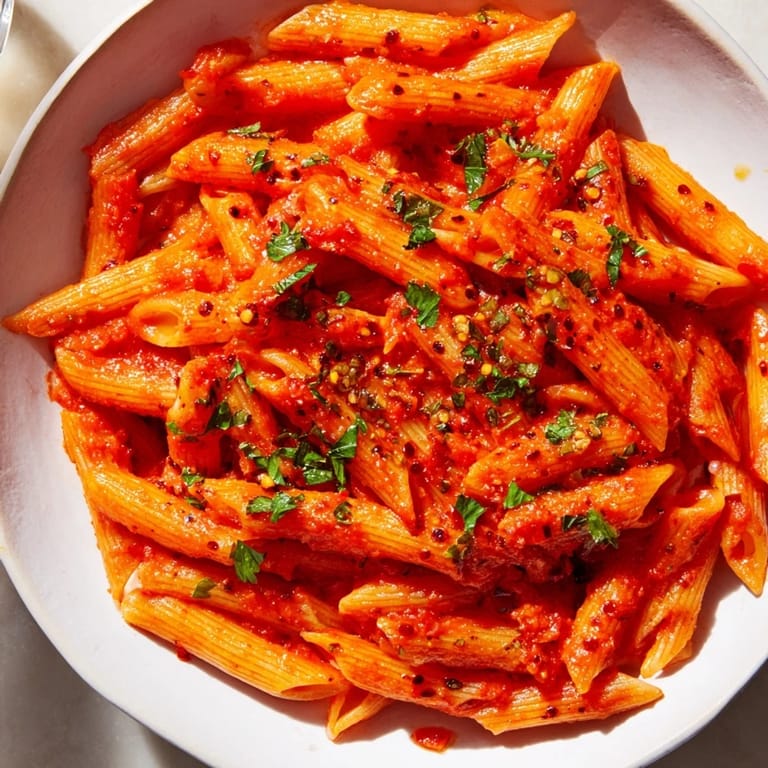
 This is the kind of dish that tastes impressive but never stresses you out, which might be why it's lasted five hundred years and probably will last five hundred more. Make it on a quiet Tuesday or a Friday night before guests arrive—either way, it delivers.