 Save to Pinterest
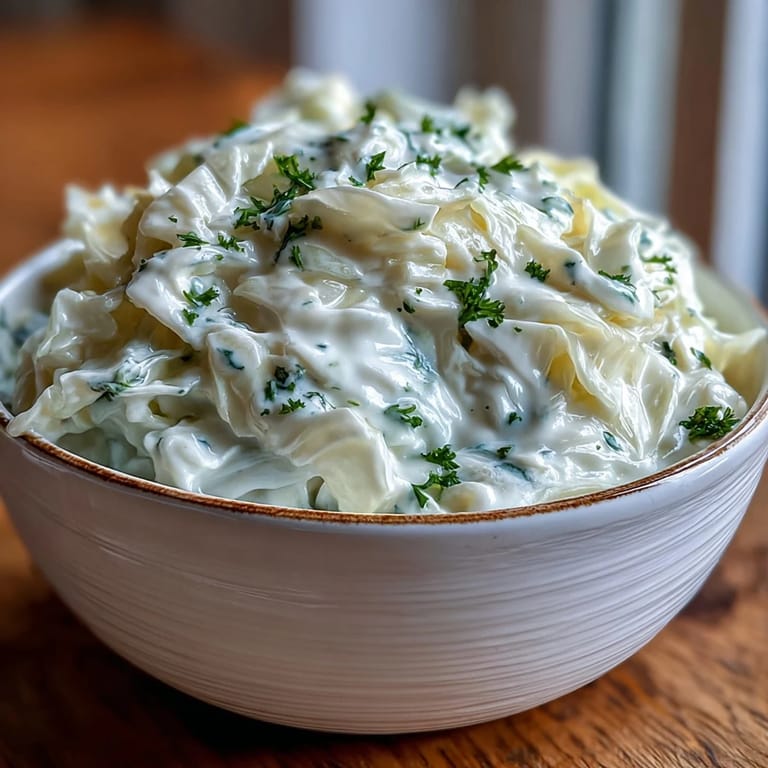
 There was a Sunday afternoon when the fridge looked half empty, and I opened the crisper to find a lonely head of cabbage staring back at me. I thought about coleslaw, but the weather was cold and I wanted something warm, something that tasted like comfort without much effort. I melted butter in my largest skillet, tossed in the shredded cabbage with a little onion, and poured in cream on a whim. That spontaneous experiment turned into one of my most requested side dishes.
I made this for a small dinner party once, mostly because I needed a vegetable and didnt want to fuss. My friend Sarah, who claims she doesnt like cabbage, went back for seconds without realizing what she was eating. When I told her later, she just laughed and said the cream must have been magic. It wasnt magic, just patience and a little nutmeg.
Ingredients
- Green cabbage: Choose a firm, heavy head and shred it finely so it cooks evenly and soaks up the creamy sauce beautifully.
- Yellow onion: A small onion adds sweetness without overpowering the delicate cabbage, and chopping it fine helps it melt into the background.
- Unsalted butter: This is your flavor foundation, so use real butter for the best taste and silky texture.
- Whole milk and heavy cream: The combination creates a sauce that feels rich but not cloying, you can adjust the ratio based on how indulgent you want it.
- All purpose flour: Just a tablespoon thickens the sauce without making it gummy, and you can swap in a gluten free blend if needed.
- Ground nutmeg: A tiny bit of nutmeg adds warmth and depth that makes people wonder what your secret is.
- Salt and black pepper: Season generously, cabbage needs more salt than you think to really come alive.
- Fresh parsley: Optional, but a sprinkle of green makes the dish look inviting and adds a fresh contrast.
Tired of Takeout? 🥡
Get 10 meals you can make faster than delivery arrives. Seriously.
One email. No spam. Unsubscribe anytime.
Instructions
- Start with the aromatics:
- Melt the butter over medium heat until it foams gently, then add the onion and let it soften for a few minutes, stirring so it doesnt brown. You want it translucent and sweet, not caramelized.
- Wilt the cabbage:
- Toss in the shredded cabbage with a good pinch of salt and stir it around until it starts to collapse and turn glossy. This takes about six to eight minutes, and the kitchen will smell like butter and something faintly sweet.
- Add the thickener:
- Sprinkle the flour over everything and stir it in well, making sure each strand of cabbage gets a light coating. Let it cook for a minute to get rid of the raw flour taste.
- Pour in the dairy:
- Slowly add the milk and cream while stirring constantly to avoid lumps. The sauce will start thin but trust the process.
- Simmer until silky:
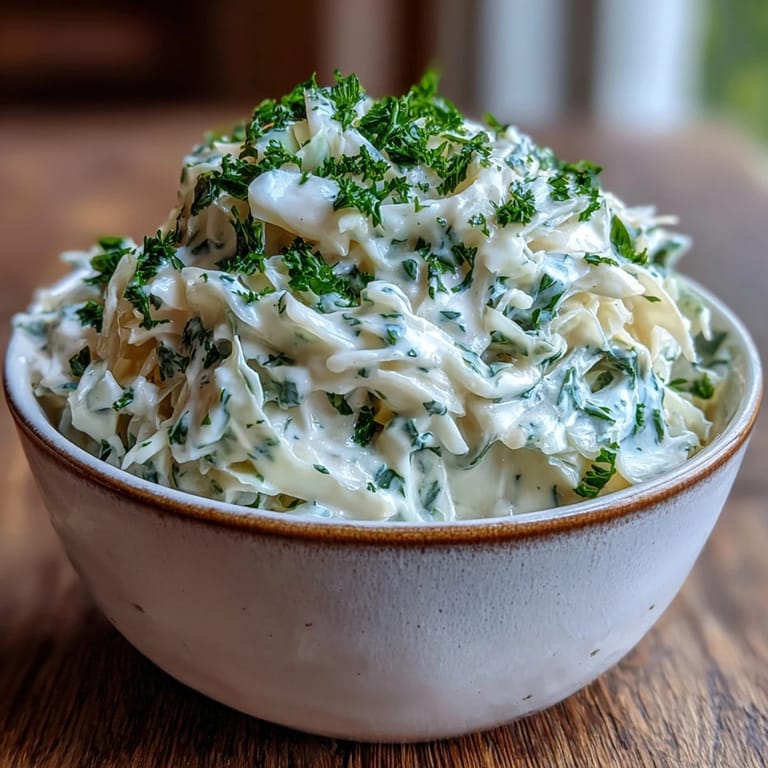
- Lower the heat and let everything bubble gently for six to eight minutes, stirring now and then. The sauce will thicken and cling to the cabbage like a soft blanket.
- Season and finish:
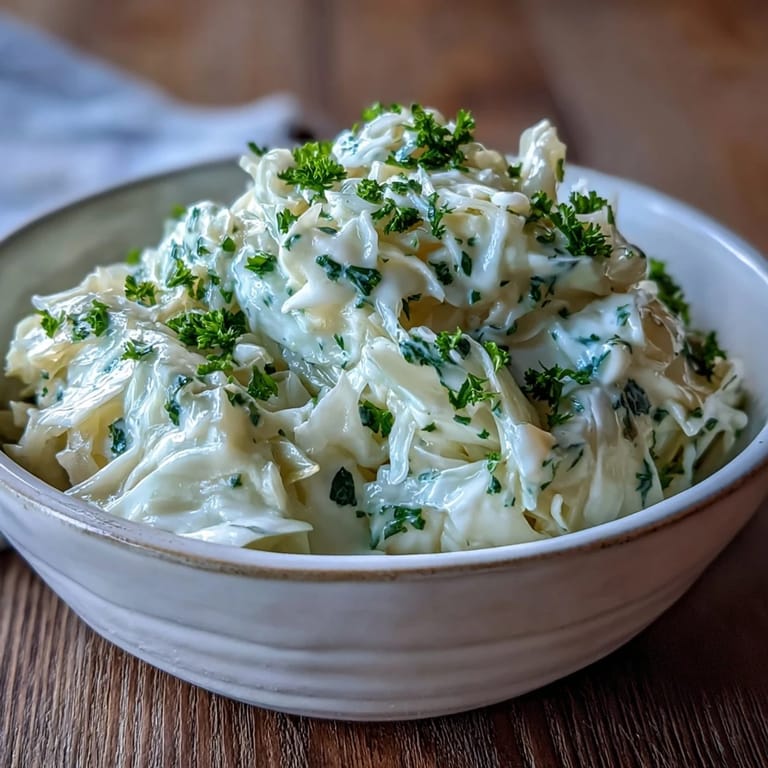
- Stir in the nutmeg, taste, and add more salt and pepper as needed. Remove from the heat, transfer to a warm bowl, and scatter parsley on top if you like.
 Save to Pinterest
 One winter evening I served this alongside roast chicken, and my nephew, who usually picks at vegetables, scraped his plate clean and asked what kind of pasta it was. When I told him it was cabbage, he looked genuinely confused. That moment reminded me how a little cream and care can change the way we see the simplest ingredients.
Making It Your Own
I sometimes add a clove of minced garlic when I saute the onion, especially if Im serving this with something garlicky like roasted pork. If you want a more delicate texture, try mixing in some Savoy or Napa cabbage, they cook faster and have a softer bite. For a lighter version, you can use all milk and skip the cream entirely, it wont be as luscious but itll still taste comforting and good.
Pairing Suggestions
This dish loves to sit next to roast chicken, pork chops, or even a simple pan seared steak. Ive also eaten it as a main with thick slices of crusty bread and a green salad when I wanted something easy and vegetarian. The creamy sauce is gentle enough not to compete with bold flavors, but rich enough to feel like a treat on its own.
Storage and Reheating
Leftovers keep well in the fridge for up to three days in an airtight container. When you reheat it, add a splash of milk and warm it gently on the stove, stirring often so the sauce doesnt break. The cabbage will soften a bit more, but the flavor stays just as comforting.
- Reheat over low heat to keep the sauce smooth and creamy.
- Add a little extra milk or cream if it looks too thick after chilling.
- Dont freeze this, the dairy sauce separates and the texture suffers.
 Save to Pinterest
 This is the kind of recipe that proves you dont need fancy ingredients or complicated techniques to make something people remember. Just a head of cabbage, a little cream, and the patience to let it all come together slowly.
Questions & Answers About This Recipe
- → Can I make this ahead of time?
Yes, you can prepare it up to 2 days in advance. Store in an airtight container in the refrigerator and reheat gently on the stovetop over low heat, adding a splash of milk if needed to loosen the sauce.
- → What type of cabbage works best?
Green cabbage is ideal for its sturdy texture, but you can also use Savoy cabbage for a more delicate result, or mix half green with half Napa cabbage for varied texture and flavor.
- → How do I prevent the sauce from becoming lumpy?
The key is to sprinkle the flour evenly over the cabbage and stir well before adding any liquid. Then pour in the milk and cream gradually while stirring constantly to ensure a smooth, lump-free sauce.
- → Can I make this dairy-free?
Yes, substitute the butter with olive oil or vegan butter, and use full-fat coconut milk or cashew cream in place of the dairy milk and cream. The result will have a slightly different flavor but remains delicious.
- → What dishes pair well with creamed cabbage?
It complements roasted chicken, pork chops, grilled sausages, and beef beautifully. It also works wonderfully as a vegetarian main course when served with crusty bread, roasted potatoes, or over rice.
- → How do I store leftovers?
Store leftovers in an airtight container in the refrigerator for up to 3 days. Reheat gently on the stovetop over low heat, stirring occasionally and adding a bit of milk if the sauce has thickened too much.