 Save to Pinterest
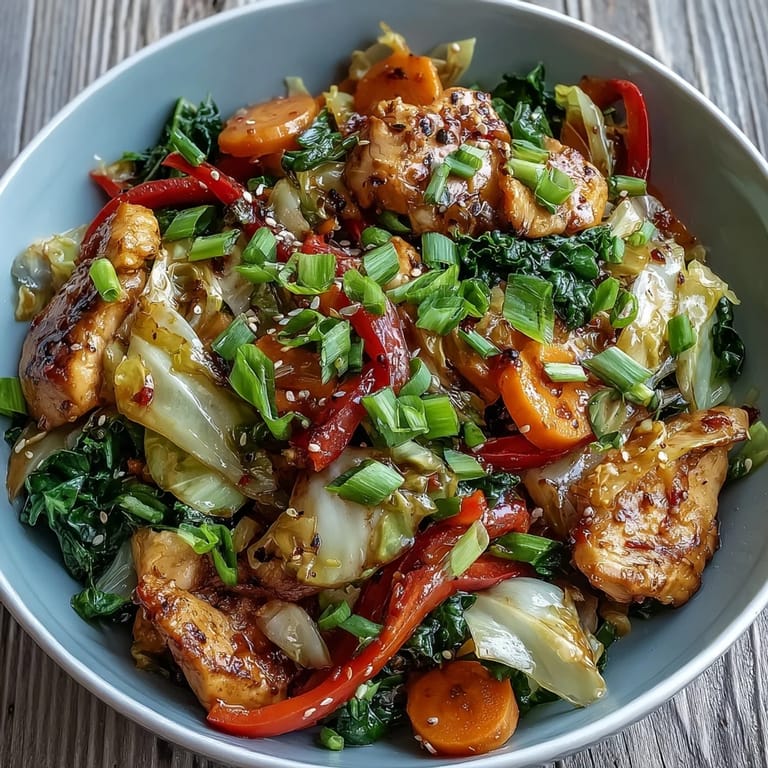
 There was a Tuesday evening when I had exactly thirty minutes before everyone got hungry and restless. I pulled out a head of cabbage that had been waiting in the crisper, some chicken from the freezer, and decided to trust my instincts instead of a plan. The sizzle of garlic hitting hot oil filled the kitchen, and suddenly that ordinary weeknight felt like something worth sitting down for. This stir-fry has been my answer to chaos ever since.
I made this for my sister once when she showed up unannounced, tired and hungry from a long drive. She sat at the counter while I cooked, and by the time I plated it, she had already stolen a piece of chicken straight from the pan. We ended up eating in comfortable silence, bowls balanced on our laps, and she asked for the recipe before she even finished. That kind of moment is what I think of now every time I make it.
Ingredients
- Boneless, skinless chicken breast or thighs, thinly sliced (500 g): Thighs stay juicier and more forgiving if you get distracted, but breasts work beautifully if you slice them thin and don't overcook.
- Green cabbage (1 small head, about 600 g): The backbone of this dish, it wilts just enough to be tender but keeps a satisfying crunch that makes every bite interesting.
- Carrot, julienned (1 medium): Adds a touch of sweetness and a pop of color that makes the whole stir-fry look alive.
- Red bell pepper, thinly sliced (1): Brings brightness and a slight char when it hits the hot pan, balancing out the earthiness of the cabbage.
- Green onions, sliced (3): Toss these in at the end for a fresh, sharp bite that cuts through the richness of the sauce.
- Soy sauce (3 tbsp): The salty, umami foundation that ties everything together, use tamari if you need it gluten-free.
- Oyster sauce (1 tbsp): Adds a deep, slightly sweet complexity that makes the sauce cling to every piece of chicken and vegetable.
- Hoisin sauce (1 tbsp): A hint of sweetness and spice that rounds out the savory notes beautifully.
- Rice vinegar (1 tbsp): Cuts through the richness with a gentle tang that keeps the dish from feeling heavy.
- Sesame oil (2 tsp): Just a little goes a long way, lending a nutty aroma that makes the whole kitchen smell incredible.
- Cornstarch (2 tsp) and water (2 tbsp): The secret to a glossy, clingy sauce that coats instead of pools at the bottom of the pan.
- Sugar (1 tsp): Balances the salty and sour, rounding out the flavors so nothing tastes too sharp.
- Vegetable oil (2 tbsp): High smoke point and neutral flavor, perfect for getting that wok-like sear without any bitterness.
- Garlic, minced (3 cloves): The first thing to hit the pan, filling your kitchen with the kind of smell that makes everyone wander in asking whats for dinner.
- Fresh ginger, peeled and grated (1-inch piece): Brings warmth and a little zing that wakes up every other flavor in the dish.
Tired of Takeout? 🥡
Get 10 meals you can make faster than delivery arrives. Seriously.
One email. No spam. Unsubscribe anytime.
Instructions
- Mix the Sauce:
- In a small bowl, whisk together soy sauce, oyster sauce, hoisin sauce, rice vinegar, sesame oil, cornstarch, water, and sugar until smooth. Set it within reach so you can pour it in without fumbling later.
- Cook the Chicken:
- Heat 1 tablespoon vegetable oil in a large skillet or wok over medium-high heat, then add the chicken in a single layer and let it sear undisturbed for a minute before stirring. Cook for 4 to 5 minutes until golden and cooked through, then transfer it to a plate.
- Bloom the Aromatics:
- Add the remaining tablespoon of oil to the same pan, then toss in the garlic and ginger. Stir constantly for about 30 seconds until the fragrance fills the room and the garlic just starts to turn golden.
- Stir-Fry the Vegetables:
- Add the cabbage, carrot, and bell pepper all at once, tossing them quickly to coat in the garlic and ginger. Stir-fry for 3 to 4 minutes until the vegetables soften slightly but still have a crisp bite.
- Bring It Together:
- Return the chicken to the pan, pour in the prepared sauce, and toss everything together over the heat. Cook for 2 to 3 minutes, stirring often, until the sauce thickens and clings to every piece.
- Finish and Serve:
- Stir in the green onions, taste, and adjust with a splash more soy sauce or a pinch of sugar if needed. Serve hot with steamed rice or noodles on the side.
 Save to Pinterest
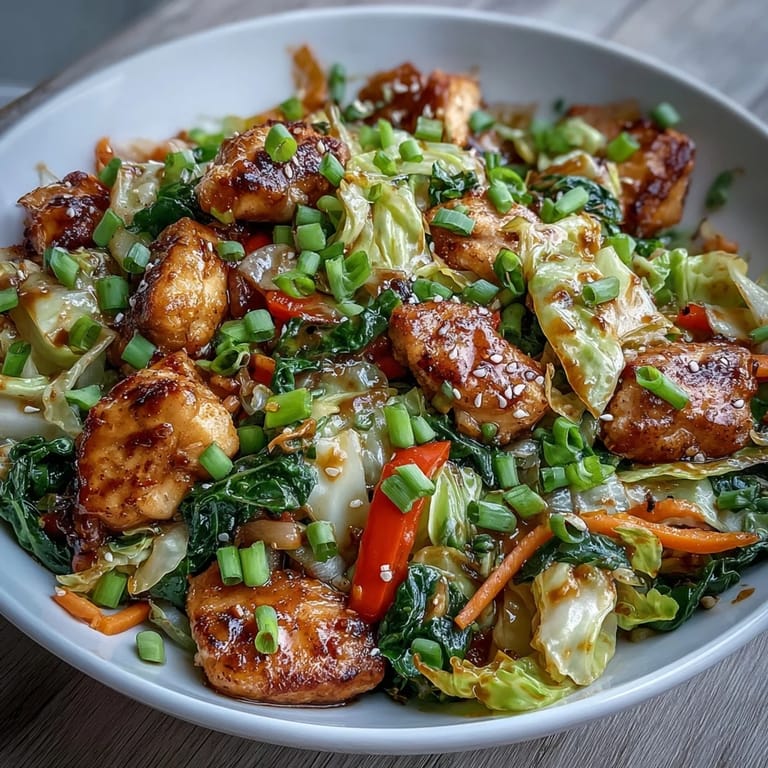
 One night I made this with whatever I had left in the fridge, a random mix of vegetables and some frozen shrimp instead of chicken. My partner took one bite and said it tasted like the kind of thing youd order at a good takeout spot, which might be the highest compliment a weeknight dinner can get. It reminded me that sometimes the best meals arent the ones you plan, theyre the ones you pull together when youre running on instinct and a little bit of hunger.
How to Prep Ahead
You can slice the chicken and chop all the vegetables a few hours ahead, storing them separately in the fridge so everything is ready to go when you start cooking. The sauce can be whisked together in the morning and kept in a sealed container until you need it. Just give it a quick stir before pouring it into the pan, since the cornstarch tends to settle at the bottom.
What to Serve Alongside
This stir-fry is filling on its own, but it really shines when you serve it over a mound of steamed jasmine or brown rice that soaks up all the extra sauce. If youre in the mood for noodles, thin rice noodles or even soba work beautifully and turn it into more of a noodle bowl situation. A simple cucumber salad with rice vinegar and sesame seeds on the side adds a refreshing crunch that balances the richness.
Storage and Reheating
Leftovers keep well in an airtight container in the fridge for up to three days, though the cabbage will soften a bit as it sits. Reheat gently in a skillet over medium heat with a splash of water to loosen the sauce, or microwave in short intervals, stirring in between. I actually think it tastes even better the next day once all the flavors have had time to settle in together.
- Store the rice separately if you can, so it doesnt get soggy sitting in the sauce.
- If youre meal prepping, portion it into individual containers so you can grab and go without thinking.
- Freeze any extra sauce in an ice cube tray so you can pop one out next time you need a quick flavor boost for another stir-fry.
 Save to Pinterest
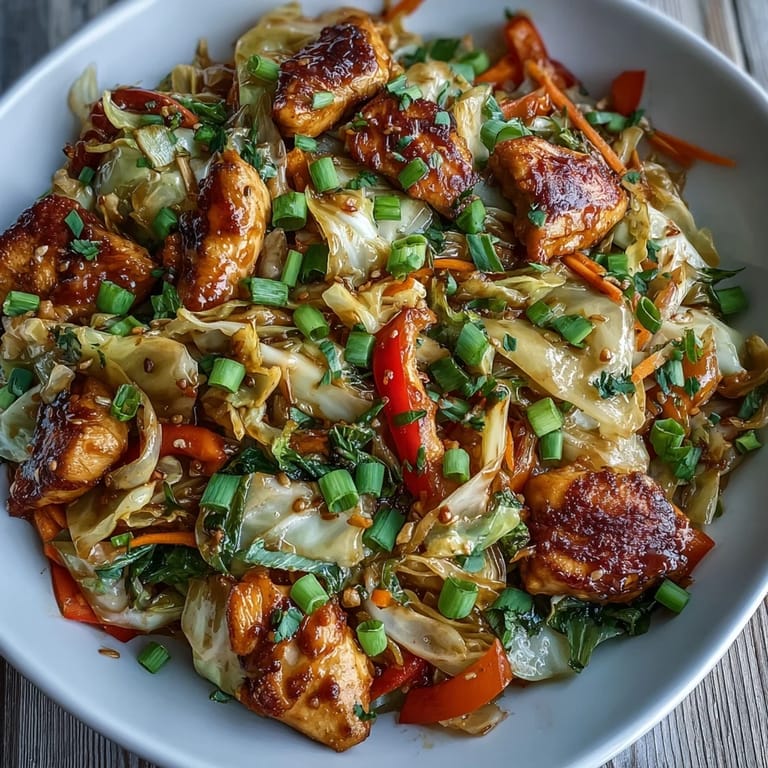
 This is the kind of recipe that fits into your life instead of demanding you rearrange everything around it. Keep the ingredients on hand, and youll always have a way to turn a regular evening into something warm and satisfying.
Questions & Answers About This Recipe
- → Can I use chicken thighs instead of breasts?
Yes, boneless skinless chicken thighs work wonderfully and add extra juiciness. Slice them thinly and cook using the same method for tender, flavorful results.
- → How do I keep the cabbage crisp?
Cook the cabbage over high heat for only 3-4 minutes, stirring constantly. This brief cooking time preserves the crisp-tender texture while allowing it to absorb the sauce flavors.
- → What can I substitute for oyster sauce?
Use additional hoisin sauce or a combination of soy sauce with a touch of brown sugar. Mushroom-based vegetarian oyster sauce also works well for similar umami depth.
- → Can I make this ahead of time?
While best served fresh, you can prep ingredients in advance. Store sliced vegetables and chicken separately in the refrigerator, then stir-fry when ready to serve for optimal texture.
- → How do I make this spicier?
Add red chili flakes, sriracha, or fresh sliced chili peppers when sautéing the garlic and ginger. Start with a small amount and adjust to your preferred heat level.
- → What vegetables can I add or substitute?
Try snow peas, broccoli florets, snap peas, or mushrooms. Add heartier vegetables like broccoli with the cabbage, and delicate ones like snow peas during the final minutes of cooking.